
The 3 p.m. Problem
It’s mid-afternoon. Your second coffee wore off an hour ago, and the third is calling.
You know how this goes: a quick lift, a jittery hour, then a crash. And at 11 p.m., you’re still staring at the ceiling.
There’s an older answer to the afternoon slump, and it isn’t another espresso. Here’s how ginseng tea stacks up against coffee, and why the two shouldn’t share a cup.

Two Kinds of Energy
Coffee: Energy on Loan
Caffeine works by masking your body’s tiredness signals. You feel awake, but the fatigue hasn’t gone anywhere.
The catch is sleep. Caffeine’s energy comes by altering your sleep patterns, so today’s boost can become tonight’s restless night, and tomorrow’s bigger coffee.
Ginseng: Steadier Support
Ginseng takes a different route. Researchers behind The Ginseng Genome (Springer, 2021) describe it as an alternative energy source that avoids caffeine’s sleep-disrupting side effects.
Think of it less like a jolt and more like a steady exhale. Its active compounds, ginsenosides, have been studied for fatigue, focus and stress resilience.
One honest note: a few people find ginseng too lively late in the day, especially at higher amounts. Enjoying it in the morning or early afternoon keeps evenings calm.
Does Ginseng Tea Have Caffeine?
Ginax ginseng teas are caffeine-free. That includes Pure Ginseng and our Rose, Hibiscus and Ginger blends.
But read labels elsewhere. Some “ginseng teas” are blended with green or black tea, which contain caffeine. And “ginseng coffee” pods, popular in Italy, are coffee with ginseng added, so they carry caffeine too.
The Original Coffee Alternative
Swapping coffee for ginseng isn’t a new wellness trend. It’s centuries old.
The cure for coffee jitters
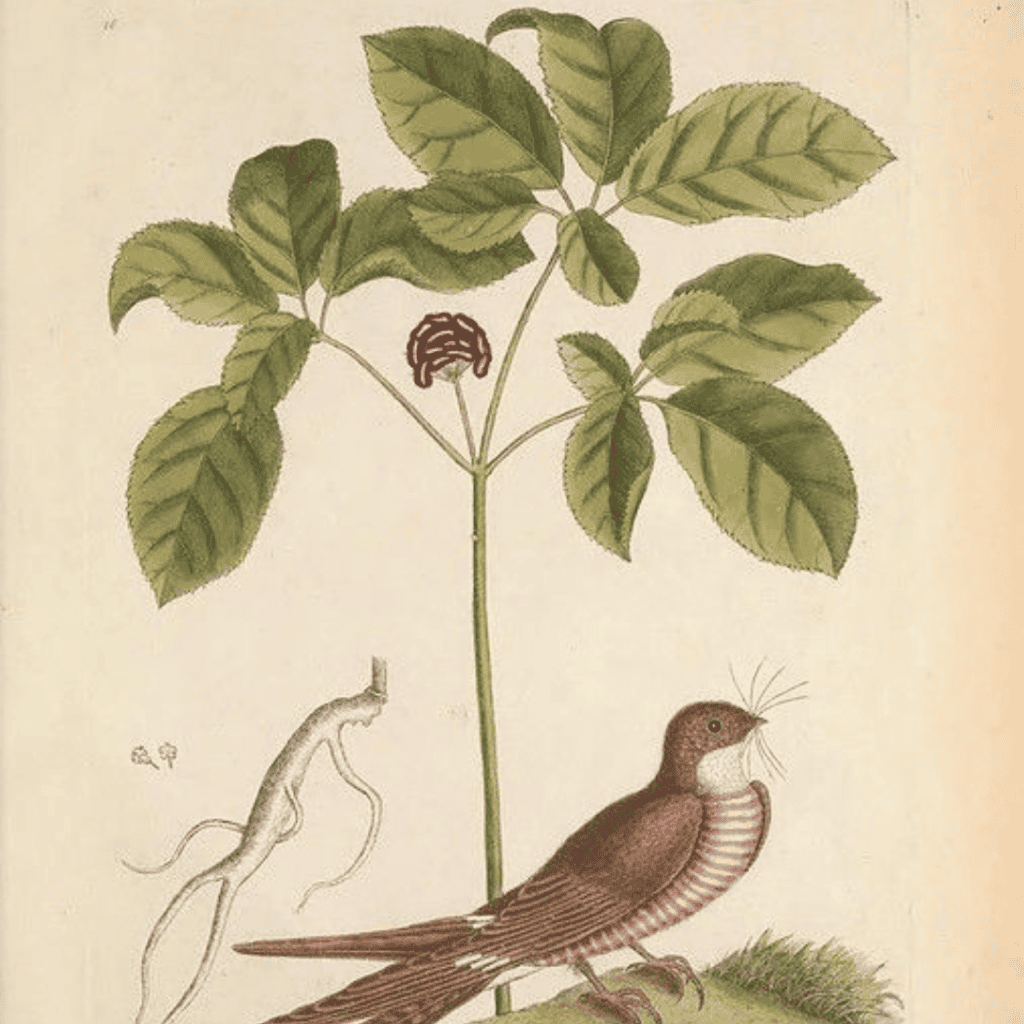
Historical herbal texts recommended ginseng tea for anyone “damaged or made nervous by drinking coffee or tea,” according to Stephen Fulder’s The Book of Ginseng. They described it as an aromatic drink that benefits the stomach, brain and nervous system.
A homegrown tea substitute
In 18th-century Britain and America, tea made from American ginseng was promoted as a healthy local substitute for imported caffeinated teas. Historian Heasim Sul notes it was pitched as an answer to both health worries and trade imbalances.
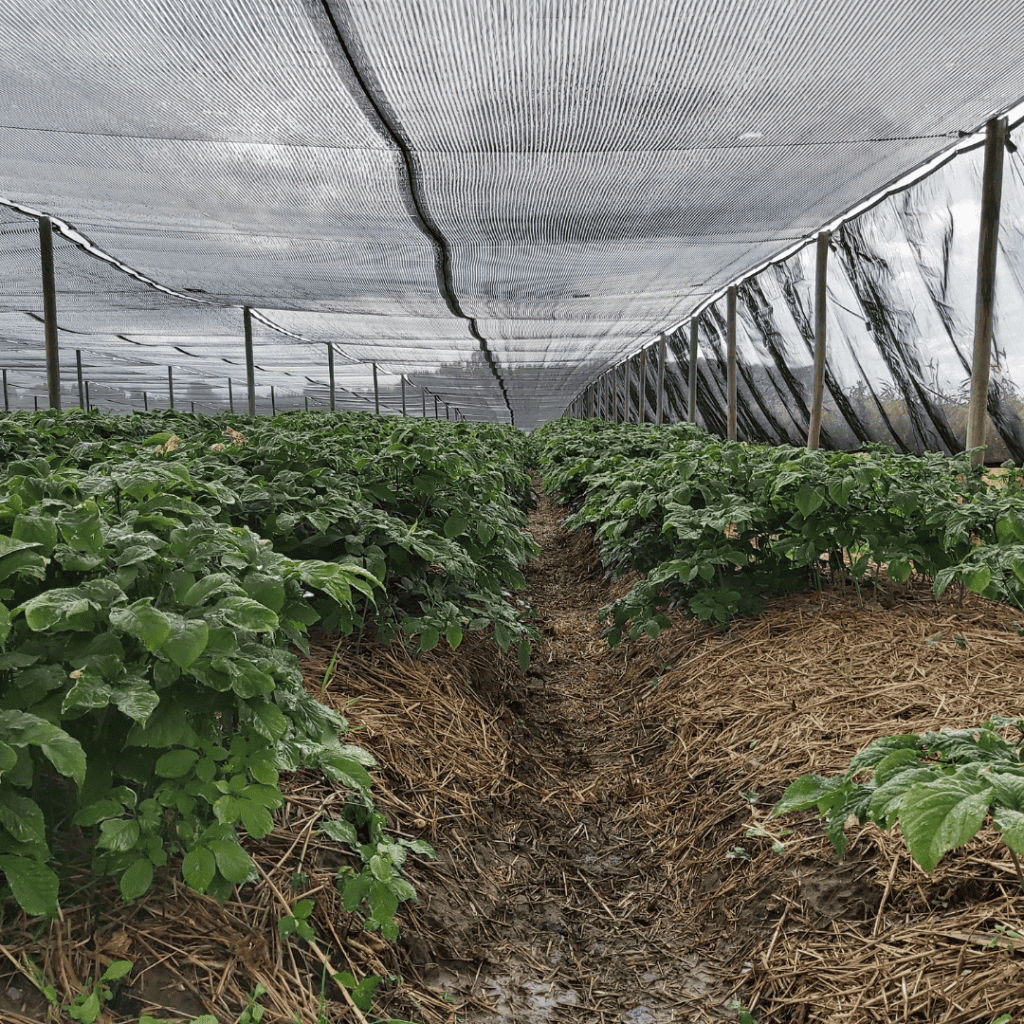
That same American ginseng still grows here, in Southwestern Ontario.
Breaking the caffeine cycle
Herbal practitioners have long used ginseng to help people break a reliance on caffeine. In Ginseng Dreams, Kristin Johannsen recounts a patient with severe daytime sleepiness. Her symptoms resolved after she cut out caffeine and took ginseng instead.
One story isn’t a study. But it shows how long people have reached for ginseng when coffee stops working.
Why You Shouldn’t Mix Them
Here’s the part most “ginseng coffee” ads skip: ginseng and coffee don’t belong in the same cup.
- Guidelines say keep them apart. Health guidance in The Book of Ginseng explicitly advises against taking ginseng with coffee or other stimulants.
- Stacking stimulation backfires. Investigations into so-called “ginseng abuse syndrome” found that nervousness, insomnia and raised blood pressure showed up mainly in people taking large amounts of ginseng alongside caffeinated drinks. The two piled stimulation on top of each other.
- Traditional protocols banned coffee. Traditional ginseng treatment protocols told patients to strictly avoid coffee, tea and alcohol, as noted by herbalist Gail Ulrich and in W.E. Court’s Ginseng, the Genus Panax.
The takeaway: ginseng works best as a replacement for your coffee, not a booster on top of it.
How to Swap Your 3 p.m. Cup
You don’t have to quit coffee cold turkey. Start with one swap.
- Pick your slump. Replace the coffee you drink out of habit, usually the mid-afternoon one.
- Don’t double up. Have ginseng tea instead of that coffee, not with it.
- Keep it early. Morning or early afternoon is the sweet spot.
- Pick your flavour. Start with Pure Ginseng for the classic taste, or try Ginger, Rose or Hibiscus for extra flavour.
- Give it two weeks. Notice your energy and your sleep before deciding.
Taking medication, pregnant, or managing blood sugar or blood pressure? Talk to your healthcare provider before adding ginseng.
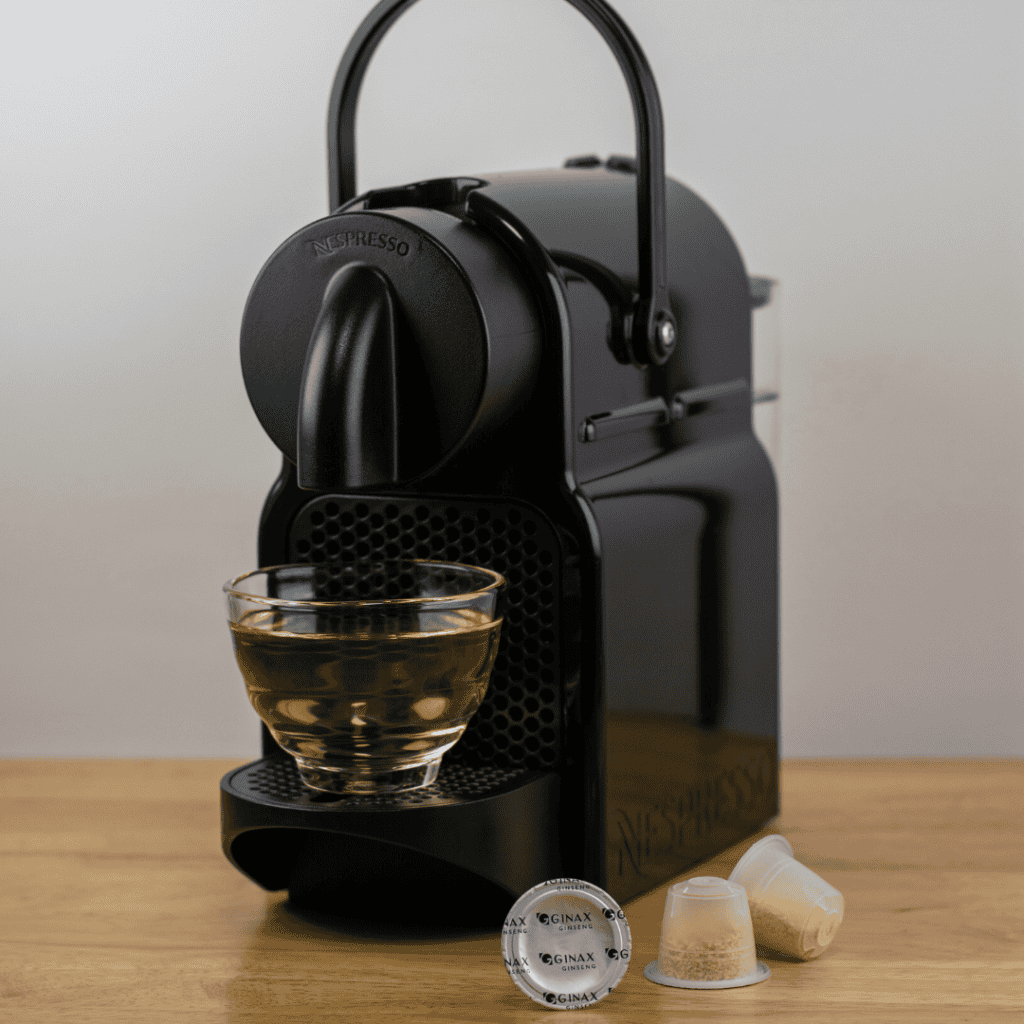
Ready to try your first swap? Explore Ginax ginseng teas →
Sources
- Xu, J., Yang, T.-J., Hu, H. (eds.). The Ginseng Genome. Compendium of Plant Genomes. Springer, 2021.
- Johannsen, K. Ginseng Dreams: The Secret World of America’s Most Valuable Plant.
- Fulder, S. The Book of Ginseng: And Other Chinese Herbs for Vitality.
- Sul, H. A Global History of Ginseng: Imperialism, Modernity and Orientalism.
- Ulrich, G. Herbs to Boost Immunity: Herbal Tonics to Keep You Healthy and Strong.
- Court, W.E. Ginseng, the Genus Panax. Medicinal and Aromatic Plants: Industrial Profiles.